Hand Therapy and Upper Limb Rehabilitation
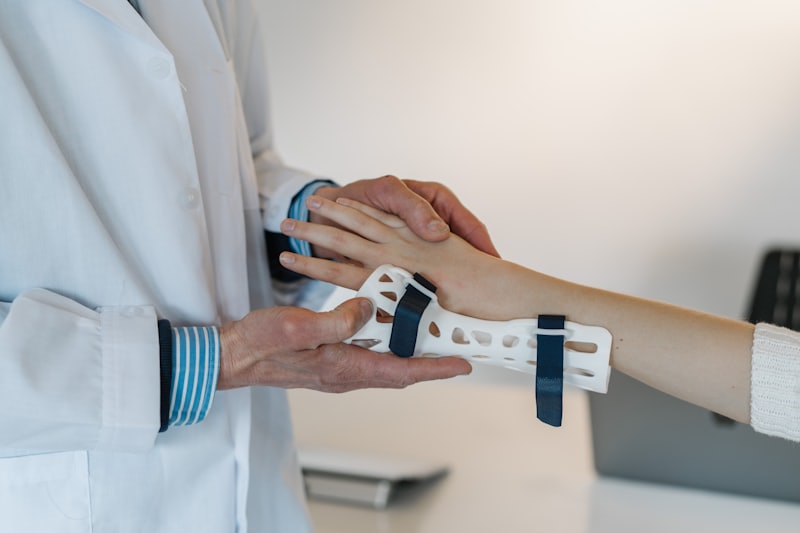
Ergotherapie in the field of the hand and upper limb is aimed at people who have experienced traumatic injuries – such as fractures, tendon or nerve injuries, dislocations, sprains, or scars – or who present conditions such as carpal tunnel syndrome, Dupuytren’s disease, osteoarthritis, arthritis, tenosynovitis, and other conditions including chronic pain syndromes (CRPS) that compromise hand and arm function.
These conditions can cause limitations in joint movement, reduced strength, difficulties with fine manipulation, altered sensitivity (hypersensitivity or hyposensitivity), and more generally a loss of independence in daily activities, work, and leisure, affecting social participation and psychological well-being.
Our therapeutic approach
To ensure a focused and personalized pathway, treatment is organized into different phases and complementary methods:
Initial assessment and monitoring
In-depth analysis of the clinical situation through specific tests.
Regular re-evaluations to verify progress and adapt the therapeutic pathway.
Interdisciplinary communication for more effective treatment.
Education and prevention:
Joint protection education
Advice and provision of aids to facilitate everyday activities
Ergonomic counseling and assessment of the social context
Energy and pain management strategies
Physical and instrument-based therapy:
Custom-made orthoses
Joint mobilization and proprioception recovery
Joint stability and strength recovery
Hentschel Method
Scar care
Trigger Point Therapy
Kinesio Taping
Lymph drainage and edema treatment
Somatosensory rehabilitation
Polyvagal Therapy
Pain therapy and sympathetic nervous system therapy
Motor Imagery Program (Mirror Therapy, Recognize)
Ultrasound and TENS
We support each person with competence, attention, and care, with the goal of restoring autonomy, reducing pain, and improving quality of life through a personalized and scientifically grounded therapeutic pathway. Ergotherapie includes not only the therapy session itself but also guidance on how the person can help themselves in daily life. This may include specific exercises, new movement and action patterns, or education toward new ways of living everyday life.