Pediatric Rehabilitation
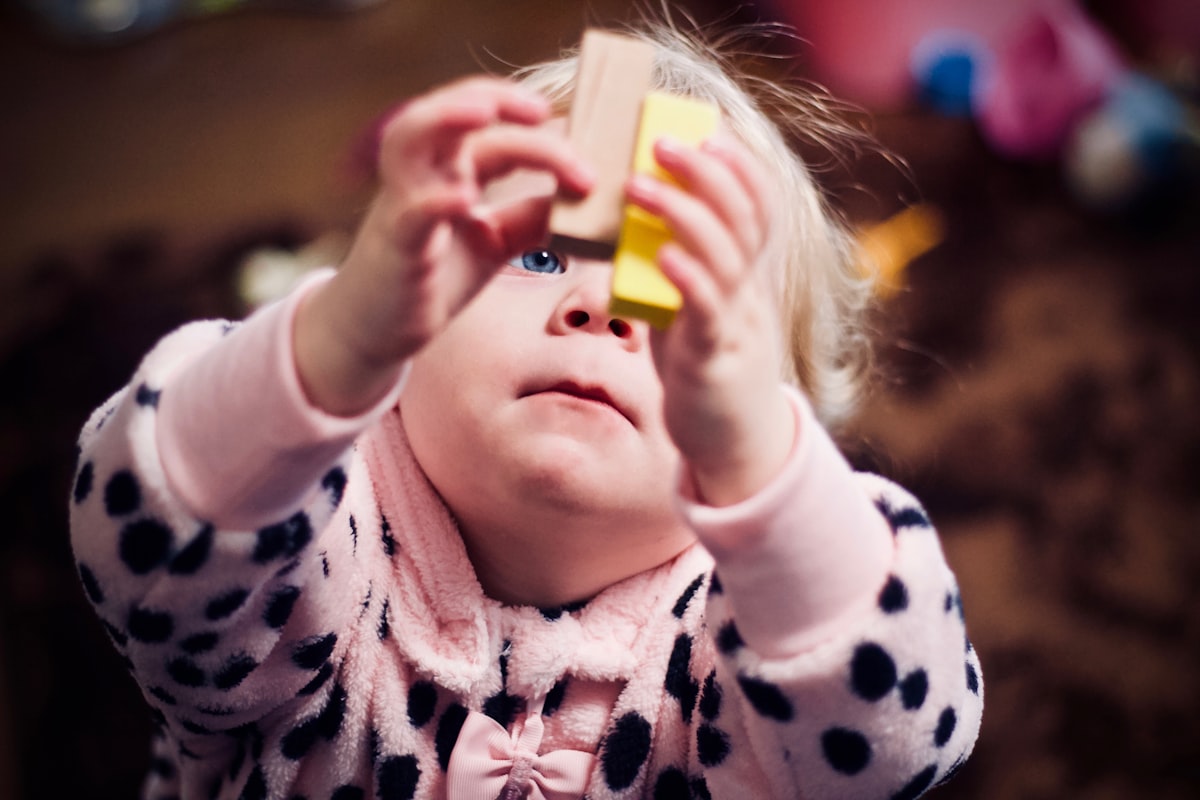
In Ergotherapie, motor, sensory, emotional, cognitive, social, and cultural aspects are considered intertwined parts of a single story: the story that characterizes each child. Our task is to create the conditions necessary for learning so that resources can emerge, transform, and become useful competences in daily life. Every child is a whole individual, rich in resources and potential.
At the center of our work is a privileged relationship made of respect, listening, and shared trust. Together with parents, we build a personalized pathway, sharing assessments, goals, and intervention methods. We collaborate with pediatricians, speech therapists, teachers, educators, and other professionals to ensure coherent and coordinated support.
Intervention in pediatrics is structured through different steps:
1. Initial assessment: It takes place over two medical-prescription sessions and is reimbursed by health insurance. Through a detailed history, standardized tools such as tests and clinical observations, we gather information about the child’s abilities, difficulties, and life context. At the end, if we believe our intervention is needed, we define therapeutic goals with the family and share them with the professionals involved.
2. Beginning of treatment: During sessions, different rehabilitation methods are used and presented through the natural language of childhood and the strongest engine for learning: play. Each session is prepared according to the goals and the child’s motivation. In this way, we work with different scientific approaches on three key components:
Body and sensory functions: fine or gross motor skills, visual and eye-hand coordination, graphomotor skills, muscle tone and posture, balance, autonomy in activities of daily living, proprioception and interoception, body perception and body representation.
Cognitive functions: gnosis and praxis, visuospatial abilities, difficulties with concentration and planning, memory and attention difficulties, difficulties with logical reasoning.
Emotional functions: impulse control, security and attachment, self-esteem and sense of competence, management of anxiety, fears, or frustration, emotional regulation.
3. At regular intervals a re-evaluation session is agreed upon with the family in order to verify the goals set at the beginning and determine whether there are still critical areas to work on or whether treatment can end.
The goal is to bring all three components into communication with one another so that during sessions the child can integrate the stimuli received and increase performance in higher executive functions.
When needed, school visits or observations in the home environment are carried out. Recommendations can then be made to adapt tasks and environments, reduce obstacles, and promote autonomy, participation, and well-being in everyday life. Parents may also be given play ideas and activities to support development during ordinary daily moments.