Blog
Children and hands: two areas that may seem very different at first glance, but are in fact closely connected and united by my passion for this work.
Below you can find some of my reflections and articles. I hope they are useful both as information and as a way to better understand how I work and how I approach the therapeutic care of young patients.
Tempo al Tempo
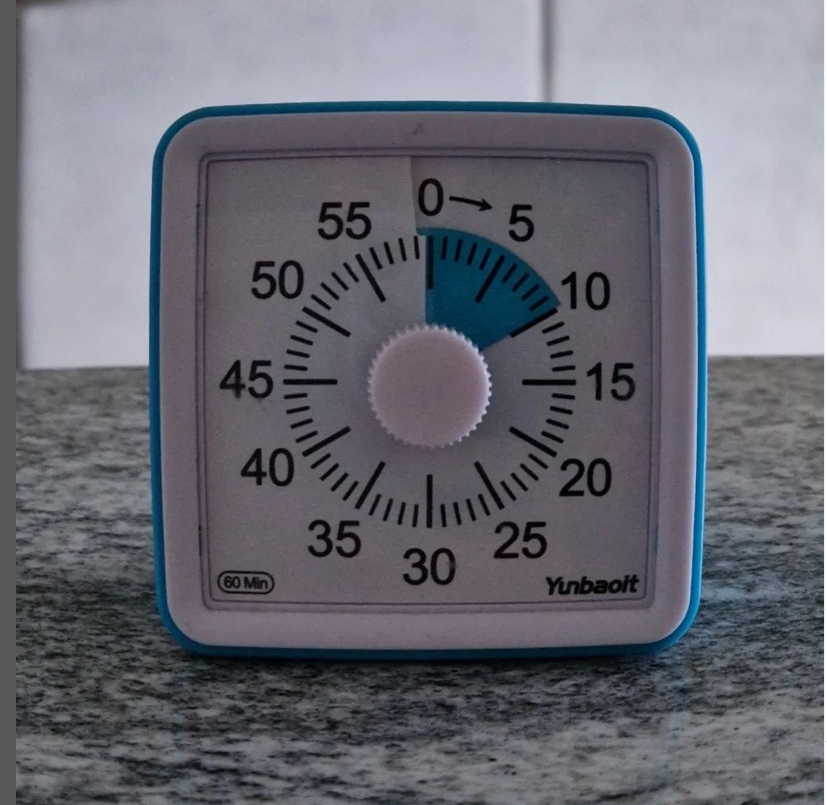
Non sto inventando nulla di nuovo quando affermo che lo scorrere del tempo è qualcosa di relativo: se aspetto una data importante sembra non passare mai, se sono impegnato nel mio sport preferito un'ora sembra essere un minuto. Per i nostri bambini il tempo non è solo relativo, è un CONCETTO ASTRATTO che non possono quantificare fino ad una certa età. Più il bambino è piccolo più è difficile anche per una serie di comorbità come la memoria dell'oggetto: i bambini molto piccoli pensano che quando non vedono una persona o oggetto questa smetta di esistere, non possono connotarla in uno spazio-tempo diverso da qui ed ora), man mano che il bambino cresce inizia a formarsi la nozione del tempo e dello spazio ma questo non impedisce il manifestarsi di crisi o difficoltà quando bisogna smettere di fare un qualcosa come essere al parcogiochi o vedere un cartone animato per concentrarsi su altro. " 10 minuti di Tv e poi ceniamo" dice la mamma ma il bambino non ha idea di cosa siano 10 minuti e tanto meno di quanto durino. Entra in immersione in quella che per lui è un'attività piacevole e quando si cerca di volerlo tirare fuori è come fare una doccia freddissima dopo essere stati al caldo: Il bambino urlerà e si lamenterà. Come fare? In questi casi l'uso di un timer come quello in foto è un ottimo alleato. Il bambino può visualizzare il tempo ( 10 minuti) e con l'aiuto dell'adulto che gli ricorda lo scorrere dei minuti vedere lo spazio blu farsi sempre più piccolo fino a sparire ( momento in cui suona il Timer) e arrivare quindi preparato alla fine dell' attività. Ripetuto costantemente e con regolare aiuto dell'adulto, ciò consente al bambino di integrare una nozione astratta come il tempo, in parte anche una serie di concetti matematici ottimi per la scuola, e gestire meglio l' emotività nel distacco o preparazione di un'attività. E se siamo fuori e non abbiamo il timer? Usiamo i numeri: " tra poco dobbiamo andare, puoi fare ancora 5 volte lo scivolo, pronto?" E poi contate con il bambino: " questa è la terza volta, ancora 2" e cosi via. Il tempo richiede tempo, soprattutto il nostro di adulti, quello delicato e DEDICATO alla comprensione dei nostri bambini 💙 ©️
07.06.2024
"Cars and the Crane"
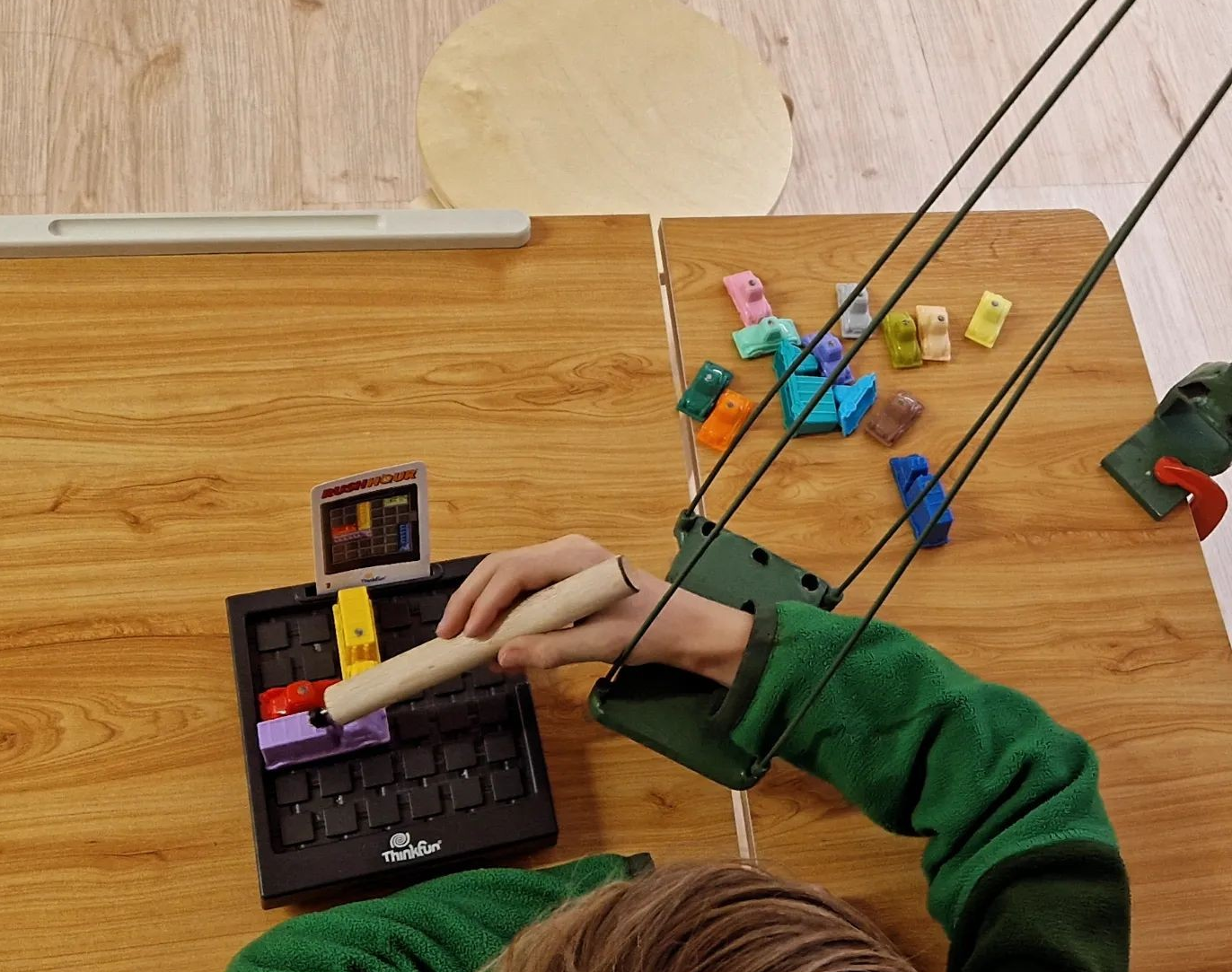
A game like Rush Hour trains visual-spatial skills, logic, planning, and anticipatory thinking. Modified for the child, it also improves fine motor skills and finger dissociation, essential for writing. This approach increases concentration and reduces frustration by activating neural circuits for positive and creative learning.
21.05.2024
CHILDREN'S HANDS
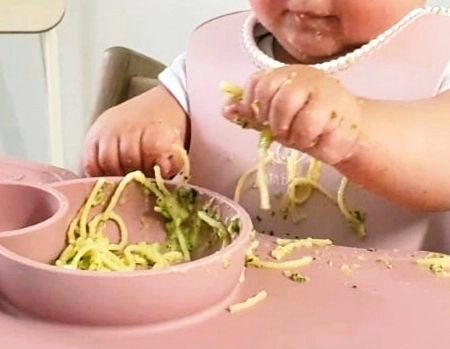
Children's hands are fundamental for the hand-brain-emotion connection, observable in its purest and most authentic form. A hand free to experiment allows the child to express talents and create neural connections. Blocking this exploration halts a natural instinct of discovery. Primary emotions emerge from children's actions, and adult guidance that recognizes and accepts these emotions without judgment helps the child develop emotional resources and intelligence. An authentic and connected child feels trust and conveys it to the world.
21.05.2024
A child with autism is an unexplored world, seemingly barren land
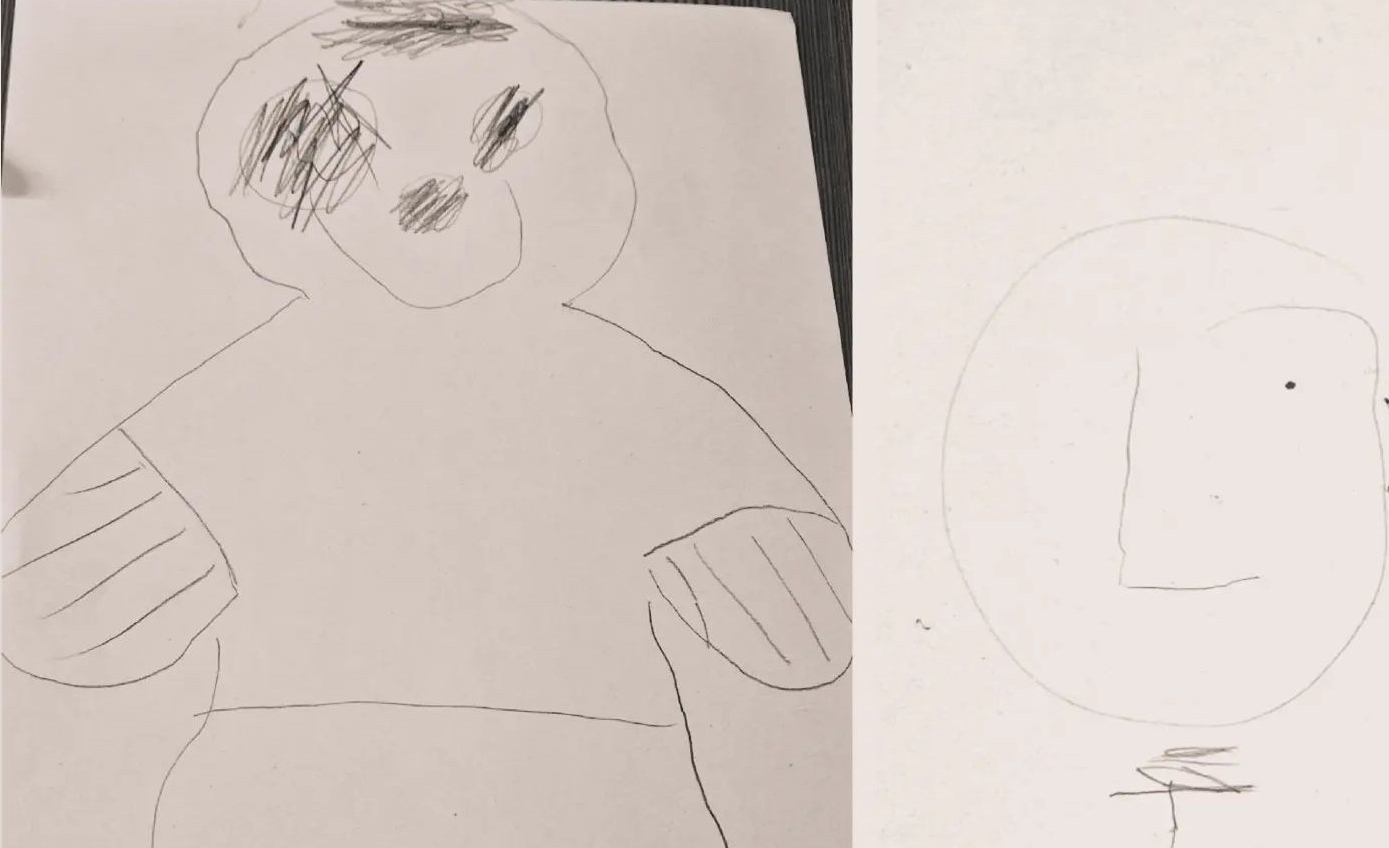
In his dark eyes, there seemed to be nothing, in contrast to his mother's bright blue eyes, often filled with tears. The progress in one year: from an uncontrollable child to a cooperative participant. Two drawings show the progress: from confused lines to a determined body representation.
21.05.2024
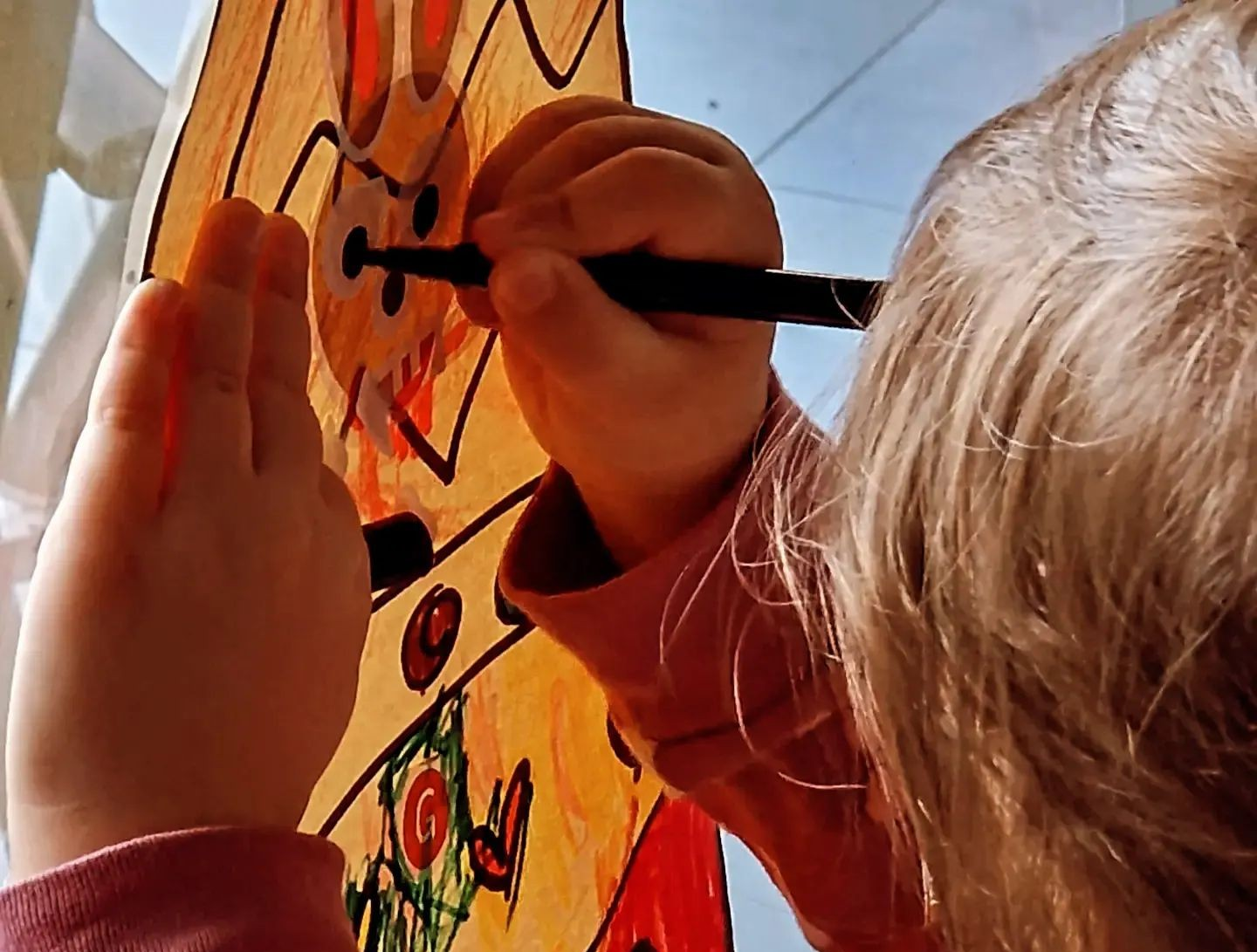
Learning also happens through writing
Writing without fatigue or pain is crucial. If a normal child gets tired or feels pain, there might be coordination or integration problems. This phenomenon is increasing among children exposed to electronic devices, reducing their interaction with the environment. It's essential to regulate the use of these devices to protect the health of future generations and preserve fundamental skills.
21.05.2024
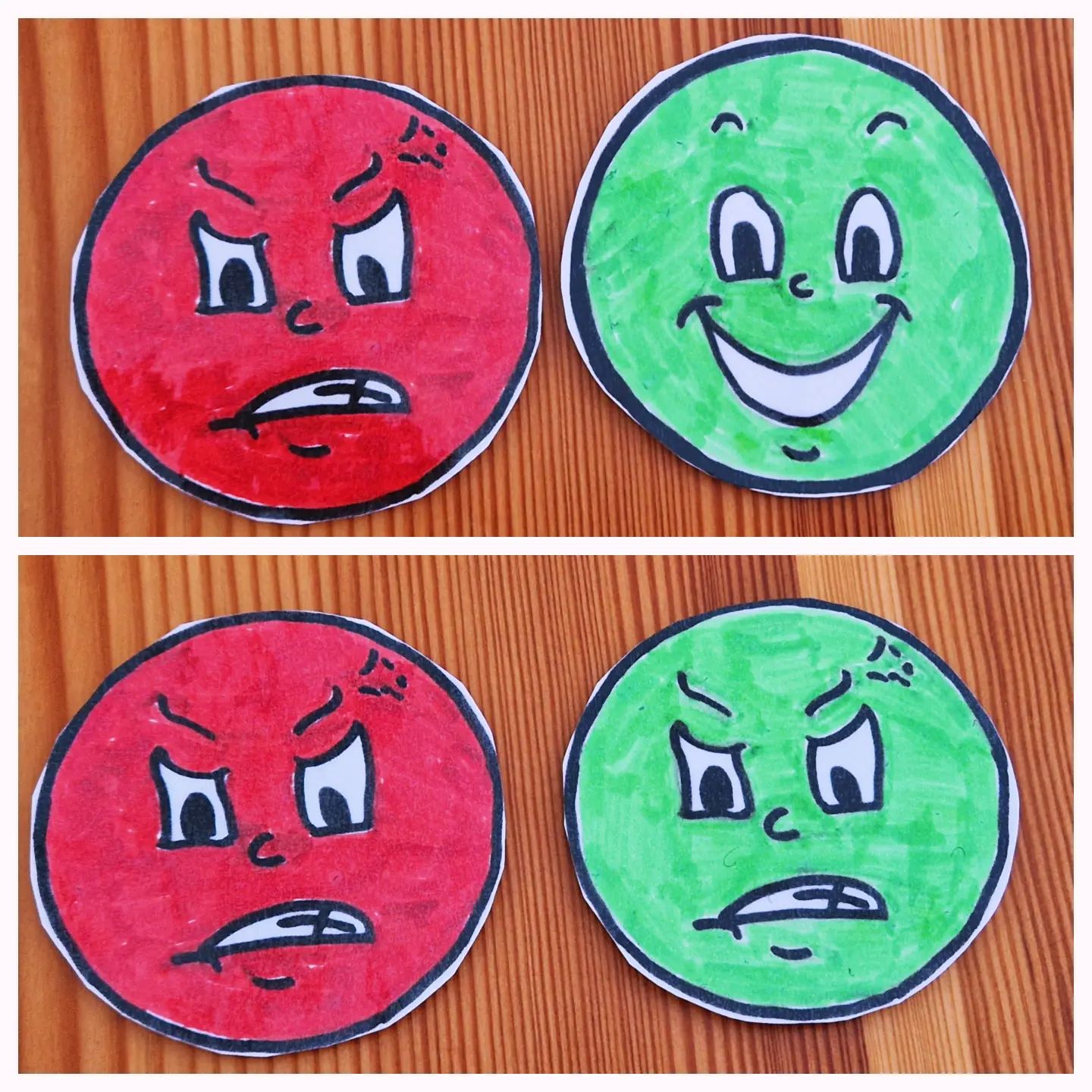
Reflections on emotional integration and managing emotions in children
The green smiling face indicates positivity, while the red angry face indicates negativity. However, labeling emotions as positive or negative shows a dysfunctional emotional integration. There are no right or wrong emotions; it’s the way we express them that makes the difference. Anger is as valid as happiness, but it must be managed correctly. The real problem often lies with adults and their emotional education, as our reaction to our children’s behavior reveals much more about us.
21.05.2024
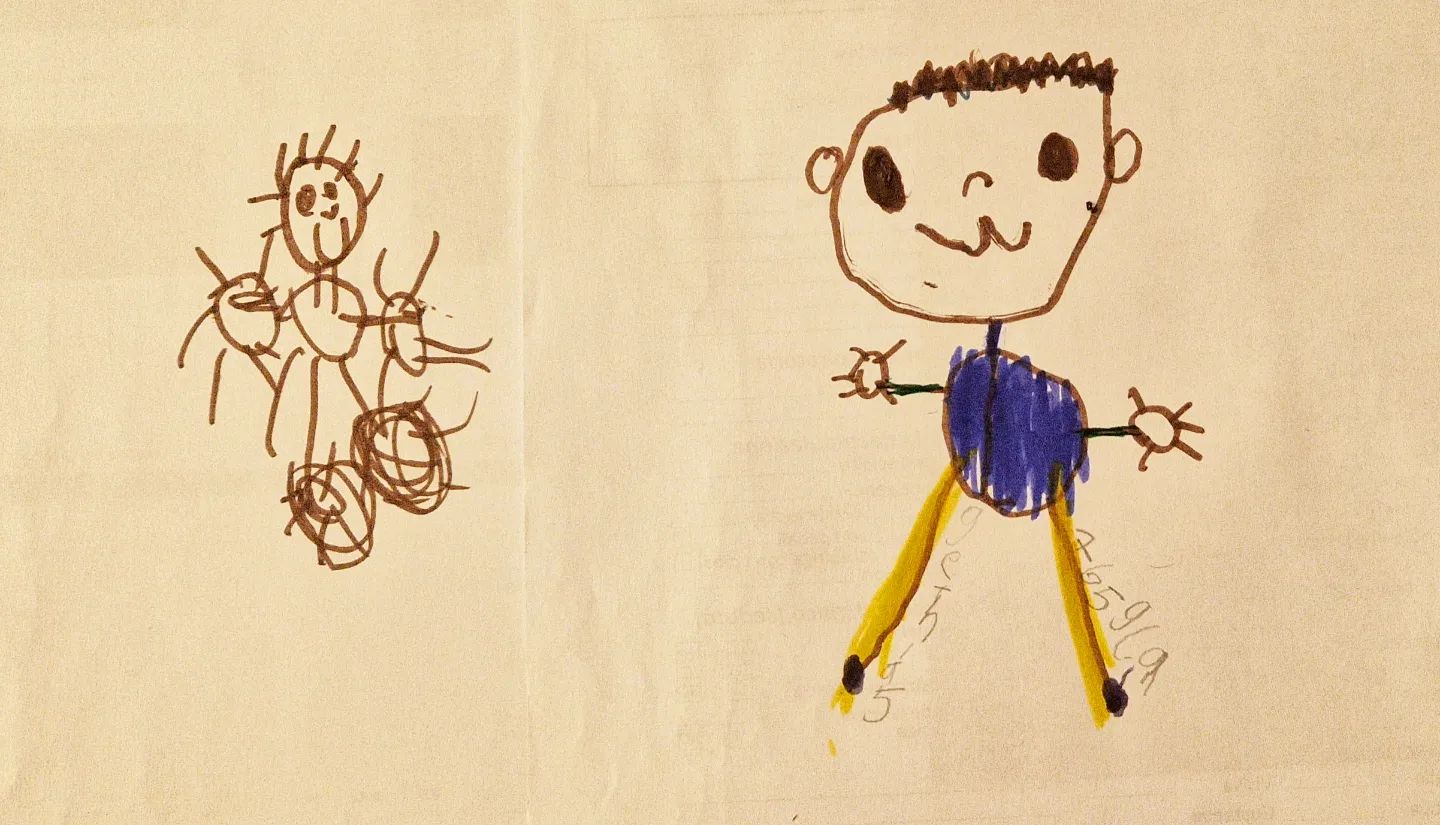
I love seeing how children draw themselves
Observing children's drawings provides a window into their internal and external worlds. The difference between the initial evaluation and that after six months is significant. It's not just a drawing, but a combination of lines, gestures, body perception, and fine motor skills. When a child, seeing their progress, tells me, "Well, yes, but now can I play soccer?" I understand that it's much more than a simple drawing. By allowing children to express themselves without projections, they find their own way and chart it as they like.
21.05.2024
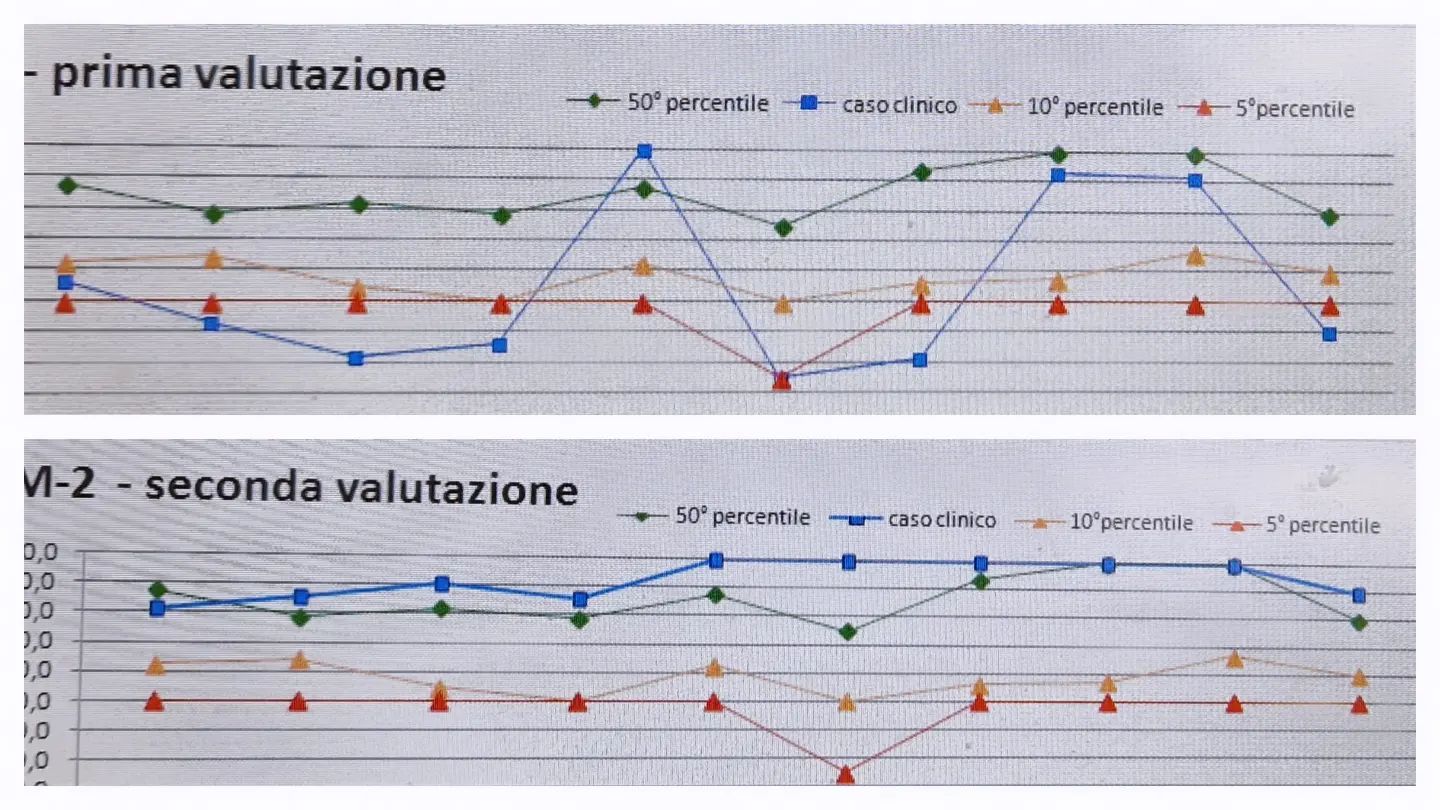
I've never liked numbers
I've never loved numbers, finding them cold compared to biology, literature, and the humanities. However, I use them for scientific research and statistics, finding them useful for confirming theories. I don't see them as absolute truth, as reducing human complexity to numbers is too simplistic and harmful. I use graphs to show improvements and motivate children and their families, instilling confidence and self-esteem. In this way, numbers can evoke emotions and add color to life.
21.05.2024
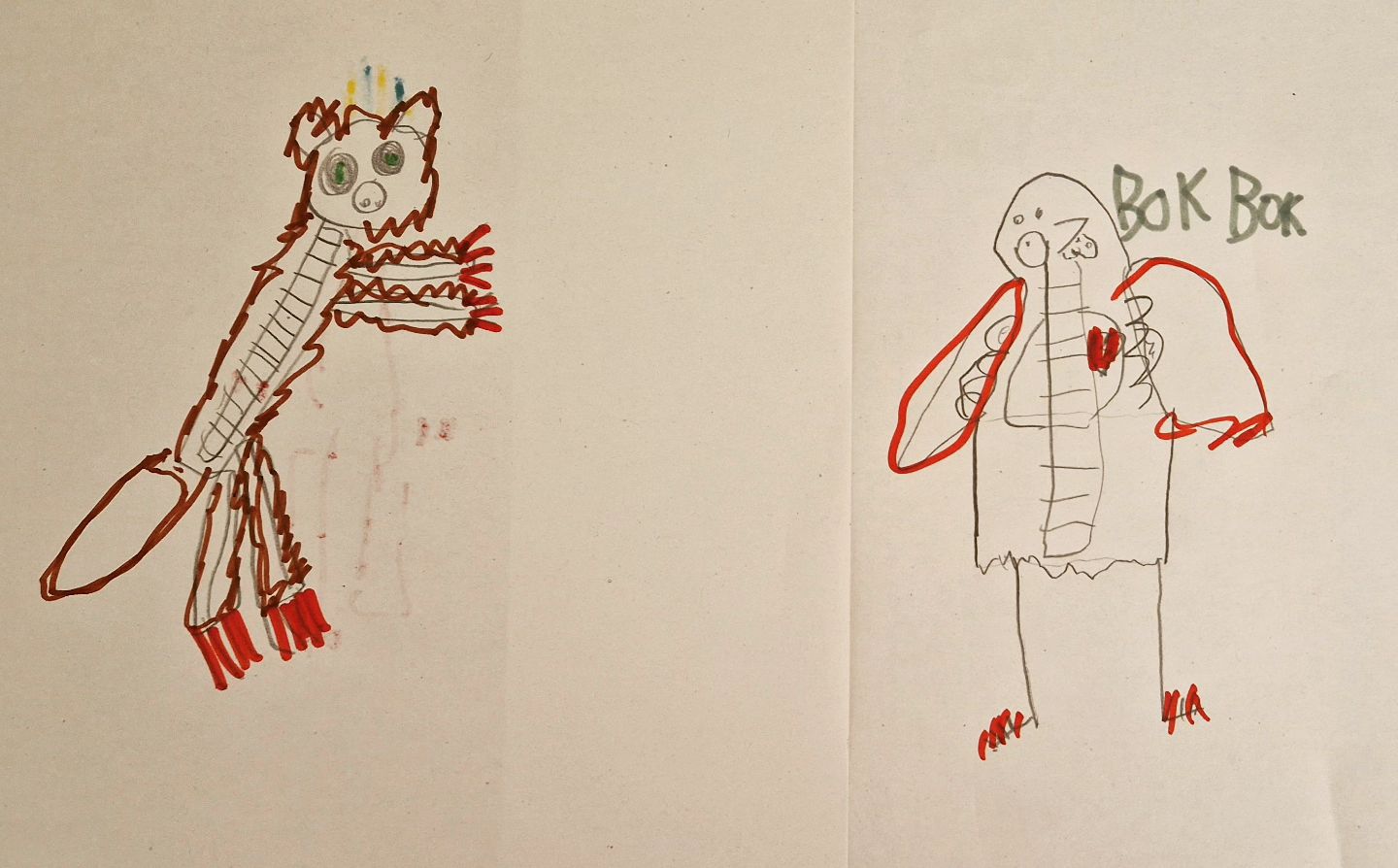
I wet the bed
The article tells the story of L., a 10-year-old boy who confesses to wetting the bed because he is afraid of monsters. Through dialogue and drawing, L. expresses his fears and anger, discovering that his monsters can become friends. The article emphasizes the importance of addressing fears rather than denying them, helping children to overcome difficulties and feel less "bad".
21.05.2024
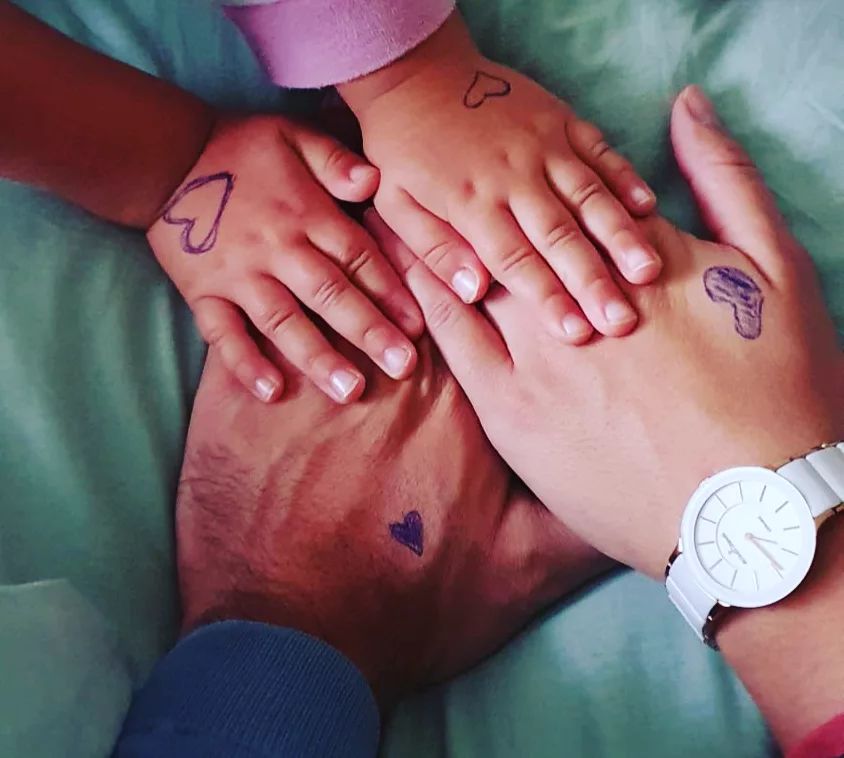
I don't want to go to the nest, I WANT to be with you
Find out how to manage morning separation crises in 3/4-year-olds by strengthening the parent-child emotional bond with creative strategies and a positive approach.
21.05.2024
All rights reserved.
No part of this blog may be reproduced by any photographic or electronic process or in the form of audio recording. No material or page may be copied for public or private use, except for brief quotations in articles and journals, and only with the written permission of the author.